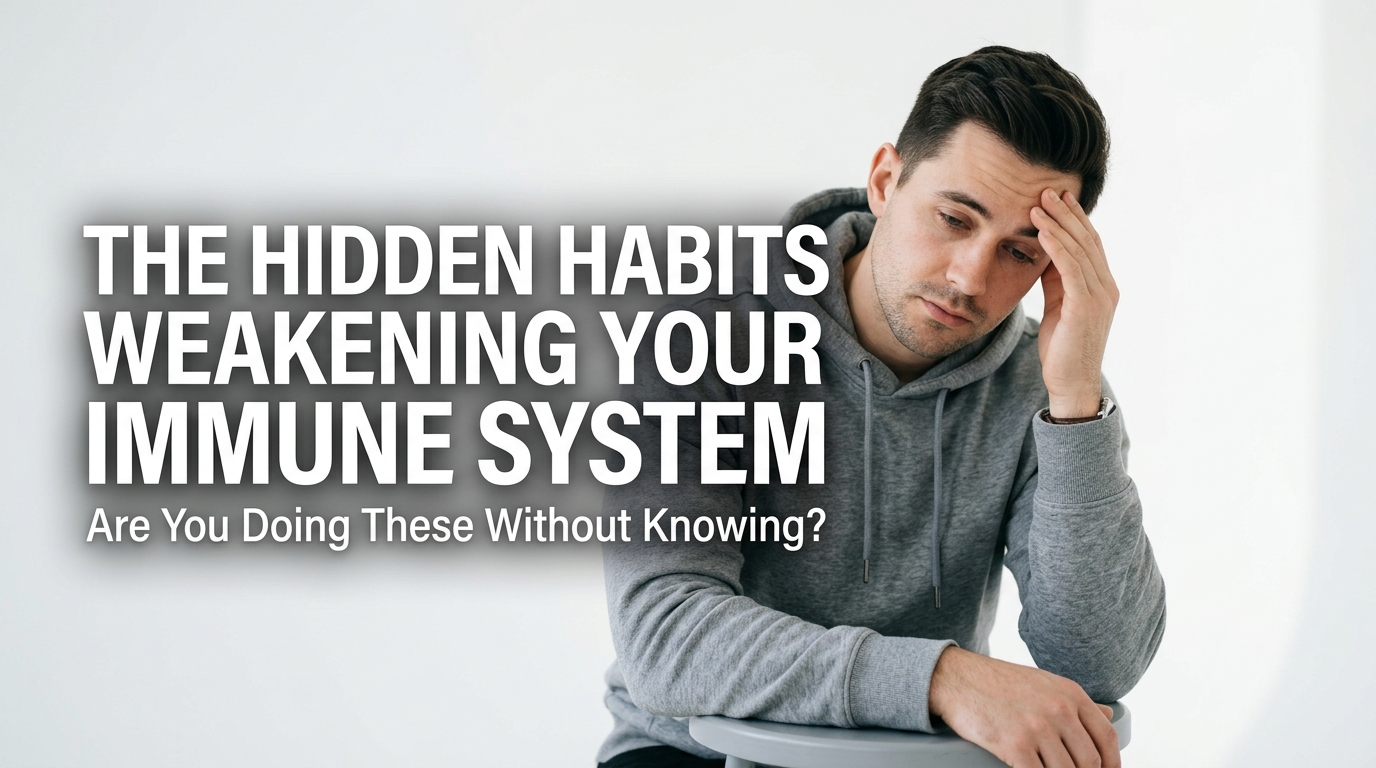
The Scary Truth About the Way We Live Every Day
I remember sitting at my desk a few years ago feeling completely drained. On the outside, my life looked fine. I had a good job, I ate my veggies, and I even hit the gym twice a week. But inside, I felt like my body was slowly breaking down.
My back always had a dull ache that wouldn't go away. I had this constant brain fog that made it hard to focus on simple tasks. Even after eight hours of sleep, I woke up feeling like I hadn't rested at all. I kept asking myself, "Why do I feel so old when I'm still young?"
I spent a lot of time trying to find the answer. I saw doctors and read books, but everything seemed too complicated. It wasn't until I looked at the tiny things I did every single day that I found the real problem. I was ignoring small habits that were slowly piling up and hurting my health.
Many of us are living in a state of "silent struggle" right now. You might feel "okay," but you aren't thriving. You might have headaches, low energy, or trouble sleeping, and you just accept it as a part of getting older. But it doesn't have to be that way.
We are often told that big things like smoking or heavy drinking are the only risks. While those are bad, it is the hidden factors that often catch us off guard. These are the things we don't think twice about because everyone else is doing them too.
When everyone around you is stressed and tired, you start to think it is normal. But being tired all the time is not normal. Having a stiff body every morning is not a requirement of life. We are losing our mental peace and physical strength because of choices we don't even know we are making.
It is heartbreaking to see so many people lose their spark. I see my friends and family struggling with weight gain and mood swings. They try every diet and every pill, but they never look at their environment. The way we move, the light we see, and the way we rest are all part of this puzzle.
I want to share what I learned through my own pain. I don't want you to wait until a doctor gives you a scary diagnosis. You can start making tiny changes today that will protect your future self. Let's look at the hidden things that are quietly draining your life force.
Why Your Comfortable Chair Might Be a Silent Risk
Most of us spend the majority of our day sitting down. We sit at breakfast, we sit during our commute, and we sit at our desks for eight hours. Then, we come home and sit on the couch to relax. This feels normal because it is comfortable, but our bodies were made to move.
When you sit for long periods, your metabolism slows down significantly. Your body stops processing fats and sugars as well as it should. Over time, this can lead to weight gain and issues with your blood sugar. Even if you go to the gym for an hour, it cannot always undo the damage of sitting for ten hours.
I used to think my morning workout was enough to keep me healthy. I would run for thirty minutes and then sit still for the next twelve hours. My back started to hurt, and my legs felt heavy. I realized that my body was literally "shutting down" because of the lack of movement.
Pro Tip: I started setting a timer on my phone to stand up every thirty minutes. At first, I felt silly just standing there for two minutes, but the change in my energy was huge. Moving your body in small bursts throughout the day is much better than one big workout followed by hours of stillness.
If you want to understand how this affects your long-term health, you need to see the science behind it. Small movements keep your blood flowing and your muscles active. This helps prevent the stiffness that many people blame on "old age."
The Hidden Impact of Artificial Light on Your Sleep
We live in a world that is always "on" and always bright. Think about the last thing you see before you go to sleep. For most people, it is the glowing screen of a smartphone. This blue light tells your brain that it is still daytime, which stops the production of sleep hormones.
I used to scroll through social media every night in bed. I thought it helped me unwind, but it was doing the opposite. My brain was getting "wired" while my body was exhausted. This led to a cycle of poor sleep and high stress the next morning.
When you don't get deep sleep, your body cannot repair itself. This increases your risk of long-term health problems like heart issues and memory loss. It is a slow process, so you don't notice it happening day by day. You only notice it when the damage is already done.
Try to put your phone away at least an hour before you plan to sleep. Read a paper book or talk to your family instead. This simple change allows your internal clock to reset. You will find that you wake up feeling much more refreshed and ready for the day.
How Micro-Stress Destroys Your Mental Peace
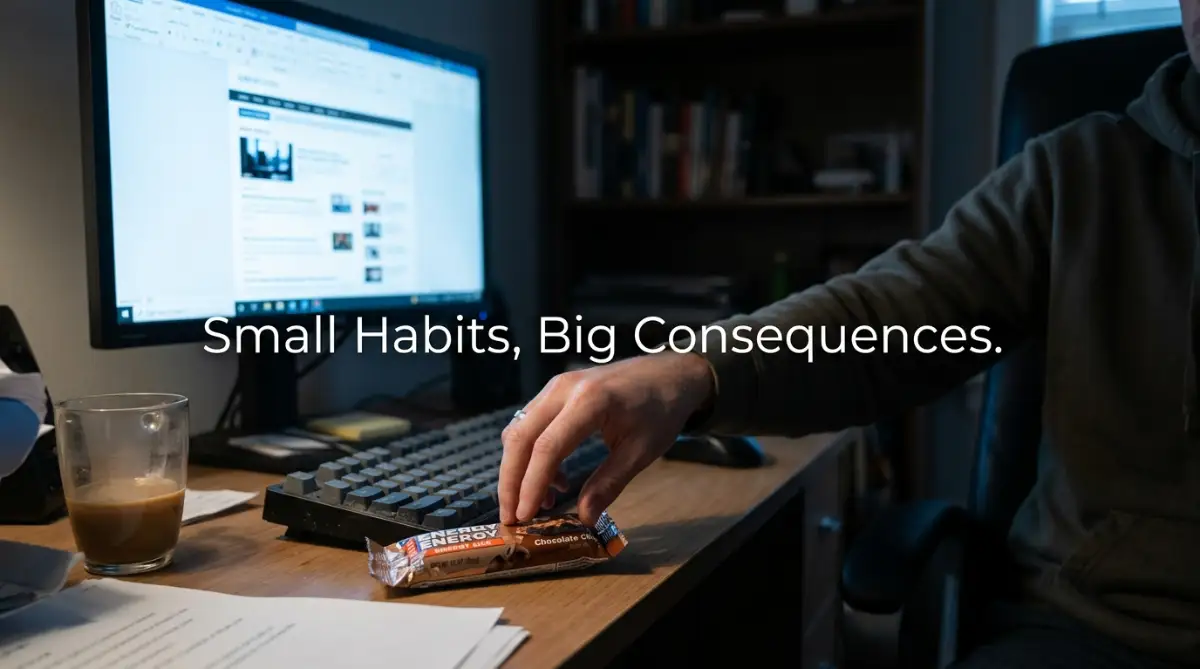
Stress isn't always a big event like a car accident or a job loss. Often, it is the "micro-stress" that does the most damage. These are the small pings on your phone, the cluttered room, or the noisy traffic. These small things keep your body in a "fight or flight" mode all day long.
When your body stays in this state, it produces a hormone called cortisol. A little bit of cortisol is fine, but too much of it is dangerous. High levels of cortisol over a long time can lead to inflammation and a weak immune system. You might find yourself getting sick more often or feeling "on edge" for no reason.
I noticed that I was checking my email every ten minutes, even on weekends. This kept my brain in a state of constant worry. I felt like I was always working, even when I was supposed to be resting. My mental peace was disappearing because I couldn't "switch off."
We need to create "quiet zones" in our lives where we are not being bothered by technology. This could be a ten-minute walk without your phone or a quiet morning coffee. These small breaks give your nervous system a chance to calm down. It is not a luxury; it is a necessity for your long-term health.
The Problem With "Hidden Sugars" in Your Daily Diet
You might think you are eating healthy because you avoid candy and soda. However, many "healthy" foods are packed with hidden sugars. Your morning yogurt, your salad dressing, and even your whole-grain bread might contain more sugar than you think. These sugars cause spikes in your energy followed by big crashes.
When your blood sugar goes up and down all day, it puts a lot of stress on your organs. Over time, this can lead to insulin resistance, which is a major factor in many common health problems. You might feel hungry all the time or experience mood swings because of these hidden ingredients.
I started reading labels on everything I bought at the grocery store. I was shocked to find sugar in my "healthy" pasta sauce and my savory crackers. By cutting out these hidden sources, my energy levels became much more stable. I no longer had that "afternoon slump" where I needed a nap.
Focus on eating whole foods that don't come in a box or a bag. Vegetables, fruits, and simple proteins are the best way to fuel your body. It takes a little more time to prepare, but your body will thank you in the long run. You will have more energy and fewer cravings.
This video explains how your daily posture and movement habits change your body over time.
Why Shallow Breathing is Draining Your Energy
Most people breathe into their upper chest rather than their belly. This "shallow breathing" happens when we are stressed or sitting in a hunched position. It sends a signal to your brain that you are in danger. This keeps your body tense and makes you feel more tired than you actually are.
Deep breathing, also known as diaphragmatic breathing, helps deliver more oxygen to your blood. It also triggers the "rest and digest" part of your nervous system. This lowers your heart rate and helps you feel more grounded. Most of us have forgotten how to breathe properly because of our modern lifestyle.
I realized that whenever I was focused on my work, I was barely breathing at all. I would hold my breath while typing an email or reading a difficult report. This left me feeling lightheaded and exhausted by the end of the day. Now, I take "breathing breaks" to make sure my body is getting enough oxygen.
You can practice this right now. Place one hand on your belly and take a slow breath through your nose. Your hand should move out as your belly fills with air. Exhale slowly through your mouth. Doing this just five times can change how you feel instantly.
The Risk of Social Isolation in a Digital World
We are more connected than ever through the internet, but many of us feel lonely. Looking at pictures of people on a screen is not the same as real human connection. Loneliness has been linked to a higher risk of heart disease and a shorter lifespan. It is a hidden health factor that we often ignore.
Real connection involves looking someone in the eye and hearing their voice. It involves shared experiences and physical presence. When we rely only on social media, we miss out on the oxytocin that comes from real interaction. This hormone helps us feel safe and loved.
I used to think that "liking" my friends' posts was enough to stay in touch. But I realized I felt lonely even when I was on my phone all evening. I started making an effort to meet people in person or at least have a real phone call. My mood improved almost immediately when I focused on real relationships.
Make it a priority to spend time with people who make you feel good. Join a local club, volunteer, or just invite a neighbor over for tea. These small social interactions are like a vitamin for your soul. They protect your mental health and help you live a longer, happier life.
The Impact of a Cluttered Environment on Your Brain
Your physical space often reflects your mental state. If your home or office is cluttered, your brain has to work harder to filter out the mess. This leads to "decision fatigue" and increased stress levels. You might find it harder to focus or feel overwhelmed by small tasks.
A clean, organized space allows your mind to rest. It gives you a sense of control over your life. When everything has a place, you spend less time searching for things and more time doing what matters. Clutter is a hidden factor that drains your mental energy every single day.
I used to have piles of paper and clothes all over my room. I told myself I was "too busy" to clean, but the mess was actually making me slower. Once I spent a weekend decluttering, I felt a huge weight lift off my shoulders. I was able to think more clearly and get more done in less time.
You don't have to clean your whole house at once. Start with one drawer or one corner of your desk. As you clear your space, you will find that your mind becomes clearer too. This simple act of organization can significantly reduce your daily stress levels.
How Constant Noise Affects Your Nervous System
We are rarely in complete silence. There is the hum of the fridge, the sound of traffic, or the background noise of the television. This constant input keeps our ears and brains working all the time. Over time, this "noise pollution" can lead to high blood pressure and increased anxiety.
Silence is a rare gift in the modern world, but it is necessary for healing. It allows your brain to process information and your body to relax. If you are always surrounded by noise, you never truly get a chance to recover from the day's stress.
I started wearing noise-canceling headphones or simply sitting in silence for ten minutes a day. At first, the silence felt uncomfortable because I wasn't used to it. But soon, I began to crave those quiet moments. It gave me a chance to listen to my own thoughts and find inner peace.
Try to find a "quiet spot" in your home or a local park. Turn off the music in your car for a few minutes. Give your ears a break from the constant stimulation of the world. You will be surprised at how much more calm and centered you feel after just a few minutes of quiet.
The Long-Term Danger of Dehydration
Many of us go through the day in a state of mild dehydration. We drink coffee and soda, but we forget to drink plain water. Even a small drop in hydration can affect your focus, your mood, and your physical performance. Over years, this can put a strain on your kidneys and your joints.
Water is essential for every single process in your body. It flushes out toxins and keeps your skin looking healthy. If you feel a headache coming on or feel suddenly tired, you might just need a glass of water. It is the simplest health "hack" there is, but we often overlook it.
I used to drink five cups of coffee a day and almost no water. I wondered why I felt jittery and had dry skin. Once I started carrying a water bottle with me everywhere, my energy became much more consistent. I felt more awake without needing as much caffeine.
Try to drink a glass of water as soon as you wake up in the morning. Your body has been without fluids for several hours while you slept. Starting your day with hydration sets a positive tone for the rest of your habits. It is a small step that leads to a much healthier future.
Mastering the Art of Long-Term Wellness and Vitality
Getting healthy isn't just about what you do for one hour at the gym. It is about how you treat your body during the other twenty-three hours of the day. I have found that the most successful people aren't those who try to change everything at once.
The secret to staying healthy for a long time is building a lifestyle that supports your body naturally. Think of your body like a high-end machine that needs the right settings to run smoothly. If you ignore the small settings, the whole machine eventually breaks down.
One of the best things you can do is to align your life with your body's natural clock. This is called your circadian rhythm. When you eat, sleep, and move at the same times every day, your body knows what to expect. This reduces stress and helps your internal organs function much better.
I started by making sure I saw sunlight within twenty minutes of waking up. This simple act tells your brain that the day has started. It helps regulate your hormones and makes it easier to fall asleep at night. It is a small change, but the impact on my energy was massive.
Just as you might look for how to choose the most reliable file sharing tools for remote teams to make your work life easier, you need the right "tools" for your health. Your environment is your biggest tool. If you keep healthy snacks on the counter and your walking shoes by the door, you are more likely to make good choices.
You should also think about "habit stacking." This means adding a new healthy habit to something you already do. For example, I started doing five air squats every time I waited for my coffee to brew. Because I already make coffee every morning, it was easy to add this tiny bit of movement.
Another advanced tip is to focus on your gut health. Your gut is often called your "second brain" because it controls so much of how you feel. Eating fermented foods like yogurt or kimchi can improve your mood and your immune system. According to experts at Harvard Medical School, the link between gut health and overall wellness is stronger than we ever realized.
We often think that health is a straight line, but it is more like a journey with ups and downs. You have to learn to manage the "volatility" of your daily life. Much like learning to master crypto volatility, you need to stay calm when things don't go perfectly. If you have a "bad" meal, don't let it ruin your whole week. Just make a better choice at the next meal.
I also want to mention the importance of "active recovery." On days when you don't do a hard workout, you should still move. A gentle walk or some light stretching keeps your blood flowing. This helps your muscles heal and prevents the stiffness that leads to long-term pain.
Lastly, pay attention to your "digital diet." We spend so much time consuming information that our brains never get a rest. Just as you would look for the right antivirus for your computer to keep it safe, you need to protect your mind from too much negative news or social media. A healthy mind is just as important as a healthy body.
Common Traps That Can Sabotage Your Progress
When I first started my health journey, I made so many mistakes. I thought that if a little bit of something was good, then a lot of it must be better. This is a dangerous way to think. Many people fall into the trap of "over-doing" it and then burning out completely.
One of the biggest mistakes is looking for a "quick fix" or a magic pill. We see advertisements for supplements that promise to melt fat or give us endless energy. But these things often hide the real issues. Relying on pills instead of changing your daily habits is like putting a bandage on a broken leg.
People also tend to ignore the "whispers" their body sends them. A small pain in your knee or a slight headache is your body's way of saying something is wrong. If you keep pushing through the pain without listening, that whisper will eventually turn into a scream. I learned this the hard way when I ignored a sore back until I couldn't even stand up straight.
Another mistake is the "all or nothing" mindset. People think that if they can't spend an hour at the gym, they shouldn't go at all. Or if they eat one cookie, they might as well eat the whole bag. This way of thinking is very destructive. It is better to do five minutes of exercise than zero minutes.
Sometimes, we are our own worst enemies. You might find that why your brain is your biggest enemy applies to your health choices too. Your brain wants to keep you "safe" by keeping you comfortable. But growth and health happen when you step outside of that comfort zone in a smart way.
I also see people spending too much money on expensive health gadgets before they even fix their sleep. You don't need a fancy smartwatch to tell you that you are tired. You just need to go to bed earlier. Don't let the "hype" of health products distract you from the basic things that actually work.
Falling into debt with your health is just as bad as financial debt. If you keep pushing your body without giving it rest, you are taking out a "loan" that you will have to pay back later with interest. This is much like how fixed-rate personal loans work—you eventually have to settle the score. In the case of health, the "interest" is often chronic illness or pain.
Many people also try to hide their struggles. They feel ashamed when they fail, so they stop trying altogether. But everyone struggles at some point. The key is to be honest with yourself and find ways to move forward. You don't need to be perfect; you just need to be better than you were yesterday.
Finally, don't forget that your mental health is tied to your physical habits. If you are constantly stressed, your body will feel it. Stress causes inflammation, which is the root of many common health problems. Learning to relax is not a sign of laziness; it is a sign of wisdom.
Your Journey Toward a Healthier and Happier Future
Taking control of your health is one of the most rewarding things you will ever do. It is not about reaching a specific weight or looking like a model. It is about having the energy to play with your kids, the focus to do your best work, and the strength to enjoy your life.
Every small choice you make adds up over time. Choosing water over soda, a walk over the couch, and sleep over a screen are all wins. These tiny victories build the foundation for a long and vibrant life. You have the power to change your future, one day at a time.
I want you to remember that your body is on your side. It wants to be healthy and strong. When you give it what it needs—good food, movement, and rest—it will reward you. You will start to feel lighter, clearer, and more alive.
Sometimes the road feels long, and you might wonder if it is worth it. I promise you that it is. When I look back at how I used to feel, I am so glad I didn't give up. My life is so much better now because I decided to pay attention to those "hidden" factors.
You don't need to be an expert to start. You just need to be willing to try. Start with one thing today. Maybe it’s drinking an extra glass of water or going for a ten-minute walk. These small steps are how you build a life that you truly love.
I have seen people change their lives at every age and from every starting point. It is never too late to start caring for yourself. You deserve to feel good in your own skin. I believe in your ability to make these changes and see the amazing results they bring.
I know how hard it can be to break old habits, but I also know how good it feels to finally succeed. I want you to take that first step today, no matter how small it feels. My own journey started with just one better choice, and I am so excited for you to start yours right now!
Frequently Asked Questions About Lifestyle Health
Can small lifestyle changes really prevent major health problems?
Yes, they absolutely can. Most chronic health issues develop over many years due to small, repeated actions. By changing those daily habits now, you can significantly lower your risk of problems like heart disease or diabetes later in life.
How long does it take to see the benefits of these changes?
You might start feeling more energy and better mood within just a few days of improving your sleep and hydration. However, the biggest health benefits for your heart and organs usually take several months of consistent habits to show up.
Is sitting really as dangerous as some people say?
Sitting for very long periods without breaks has been linked to many health issues. It is often compared to smoking because it is a "silent" risk factor that people don't notice right away. The good news is that just a few minutes of standing or walking every hour can help fix the problem.
Do I need to buy expensive supplements to be healthy?
Not at all. For most people, a diet of whole foods, plenty of water, and regular sleep is much more effective than any supplement. It is always better to get your nutrients from real food first before looking at pills or powders.
How can I stay motivated when I don't see immediate results?
Focus on how you feel rather than just how you look. Notice if you have less brain fog, if your clothes fit better, or if you are less crabby in the afternoon. These small "non-scale victories" are the best signs that your body is healing from the inside out.
What is the single most important habit to start with?
If I had to pick one, it would be improving your sleep. Sleep is when your body repairs everything from your brain to your muscles. When you are well-rested, it becomes much easier to make good choices about food and exercise throughout the rest of the day.
Disclaimer: The information provided in this blog post is for educational and informational purposes only and is not intended as medical advice. Always consult with a qualified healthcare professional or doctor before making significant changes to your diet, exercise routine, or lifestyle, especially if you have pre-existing health conditions.