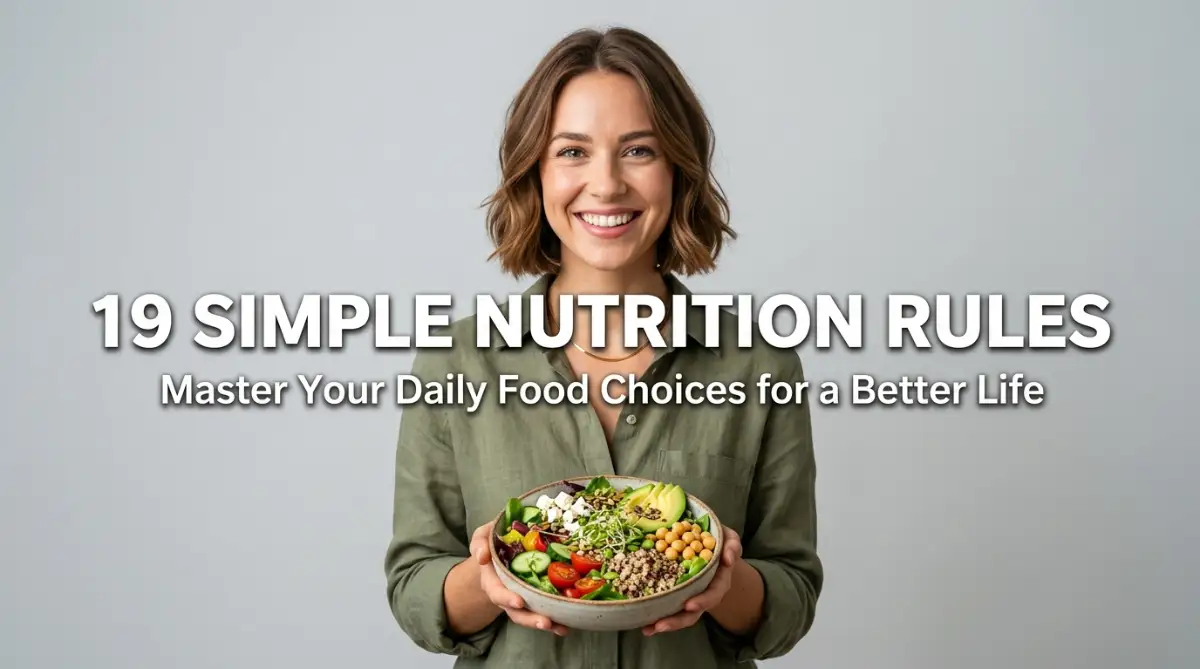
The Day I Realized My Lunch Was Ruining My Life
I remember sitting at my desk a few months ago. It was 3:00 PM, and I felt like I had been hit by a truck. My head was heavy, and I could barely focus on the screen.
I had just finished a large burger and a soda for lunch. At the time, it felt like a good idea. It was fast and it tasted great. But an hour later, I was paying the price.
I felt bloated and grumpy. My energy was gone. I looked at my co-workers and wondered how they stayed so sharp. I felt stuck in a loop of bad choices.
Every morning, I promised myself I would eat better. But by noon, I was hungry and tired. I would grab the easiest thing I could find. Usually, it was something processed and full of sugar.
My skin was breaking out. I wasn't sleeping well. Even my mood was shifting for no reason. I realized that my food choices were not just about my weight. They were controlling my entire life.
I knew I had to change. But the world of nutrition felt so scary. There were so many diets and "experts" saying different things. One person says no carbs. Another says no fat.
It felt impossible to keep up. I didn't want a "diet" that lasted a week. I wanted a way to live that felt natural. I wanted to feel good again.
So, I stopped looking for quick fixes. I started looking for simple rules I could follow every single day. I found that small changes make the biggest difference.
When I changed how I looked at my plate, everything shifted. My brain fog lifted. I stopped feeling like I needed a nap every afternoon.
Now, I want to share what I learned. These aren't fancy diet secrets. They are simple principles that anyone can use. They helped me get my life back.
How Your Food Choices Are Quietly Stealing Your Peace
Many of us live in a state of "food stress" without even knowing it. We wake up and grab something sugary. Then we wonder why we feel anxious by 10:00 AM.
This constant up and down of blood sugar is exhausting. It makes us irritable with our family and friends. We lose our patience over small things.
When we eat poorly, our body is in a state of quiet panic. It is trying to process chemicals and sugars it wasn't built for. This ruins our mental peace.
You might think you are just "not a morning person." Or maybe you think you are just "naturally tired." But often, it is just the food.
The brain needs steady fuel to stay calm. When we give it junk, it reacts with brain fog and sadness. It is hard to be happy when your gut is unhappy.
I spent years feeling "okay" when I could have felt "amazing." I didn't realize how much my food was holding me back. It affects your confidence too.
When you don't feel good in your body, you hide away. You might say no to social events. You might stop trying new things because you lack the energy.
This is the reality for millions of people. We are overfed but undernourished. We eat a lot of calories, but our cells are starving for real nutrients.
Breaking this cycle is the first step to freedom. You don't need a PhD in science. You just need a few solid ground rules to guide you.
Treat Hydration Like Your Top Priority
Most people think they are hungry when they are actually just thirsty. Our brains use the same signal for both. I used to reach for a snack when I really needed a glass of water.
Water is the foundation of everything. It helps your body move waste out. It keeps your skin glowing and your brain sharp. Without it, you will always feel slow.
I started carrying a reusable bottle everywhere. I told myself I had to finish it four times a day. It was a game changer for my energy levels.
If you feel a headache coming on, drink a big glass of water first. Often, that pain is just your body asking for a drink. Don't let your cells go dry.
Try to drink a glass of water right when you wake up. Your body has been "fasting" for 8 hours. It needs that liquid to jumpstart your organs.

Build Your Plate Around Protein
Protein is not just for bodybuilders. It is for everyone who wants to stay full. When I started eating more protein, my cravings for sweets almost disappeared.
Protein tells your brain that you are satisfied. If you only eat carbs, you will be hungry again in an hour. Protein stays with you much longer.
Think about eggs, chicken, fish, or beans. Every meal should have a piece of protein about the size of your palm. This is a simple way to measure it.
I noticed that when I had protein for breakfast, I didn't want to snack at work. It kept my energy steady until lunch. It is like putting slow-burning logs on a fire.
A Pro Tip from my own journey: I used to think a bagel was a good breakfast. I was wrong. I would be starving by 11 AM. Now, I have two eggs and I feel great until 1 PM. I realized that my "hunger" was just a lack of protein.
Choose Whole Foods Over Boxed Ones
If a food comes in a box with ten ingredients you can't pronounce, it probably isn't "real" food. These are processed items designed to make you eat more.
Real food is simple. An apple is an apple. Broccoli is broccoli. A piece of steak is just steak. These foods give your body the tools it needs to work.
Processed foods are full of hidden salts and sugars. They taste good in the moment but leave you feeling empty. They don't have the fiber your gut needs.
I try to shop around the edges of the grocery store. That is where the fresh stuff usually lives. The middle aisles are where the "fake" food hides.
Eating whole foods doesn't have to be expensive. Lentils, rice, and frozen vegetables are very cheap. They are also much better for you than a "healthy" frozen meal.
The Power of Fiber for Gut Health
Fiber is the "broom" that cleans out your insides. It keeps things moving. If you feel bloated or heavy, you probably need more fiber.
You get fiber from plants. Fruits, vegetables, nuts, and seeds are full of it. It also slows down how fast sugar enters your blood.
This means you don't get that "sugar crash" after eating. Fiber keeps your heart healthy too. It is a quiet hero in the world of nutrition.
I started adding a handful of spinach to my morning eggs. I couldn't even taste it. But it added the fiber I needed to feel light and energetic.
Watch this video to understand how your gut affects your mood and why fiber is so important for your mental health.
Don't Drink Your Calories
This was one of the hardest rules for me. I loved soda and fancy lattes. But these drinks are just liquid sugar. They don't make you full at all.
When you drink sugar, it hits your liver like a hammer. It causes a massive spike in insulin. This leads to fat storage and energy crashes.
Switching to plain tea, coffee, or sparkling water is a huge win. You can save hundreds of calories a day just by changing your drink.
If you don't like plain water, try adding a slice of lemon or cucumber. It makes it feel fancy without the bad stuff. Your body will thank you for the break.
Practice Mindful Eating
How often do you eat while watching TV or scrolling on your phone? I used to do it every night. Before I knew it, my plate was empty and I didn't even taste the food.
When we are distracted, our brain doesn't get the signal that we are full. We end up eating much more than we need. This leads to that "stuffed" and uncomfortable feeling.
Try to sit at a table without your phone. Take a bite and actually chew it. Notice the flavors and the texture. It sounds simple, but it is very powerful.
When you eat slowly, your stomach has time to tell your brain, "Hey, we are done here." This naturally helps you eat the right amount.
Don't Fear Healthy Fats
For a long time, we were told that fat makes you fat. This is not true. Your brain is mostly made of fat! You need it to think clearly and keep your hormones balanced.
The key is choosing the right fats. Think of things like olive oil, avocados, nuts, and fatty fish like salmon. These are "good" fats that fight inflammation.
Avoid "trans fats" found in fried foods and cheap baked goods. Those are the ones that cause trouble. Real, natural fats are your friends.
I started putting half an avocado on my toast in the morning. It kept me full for hours. It also made my skin look much better.
Sleep is Part of Nutrition
You might be surprised to see sleep on a nutrition list. But sleep controls the hormones that tell you when to eat. If you don't sleep, you will crave sugar.
When I stay up late, I always want to eat chips or cookies. My body is tired and it wants a "quick fix" of energy. This is a biological trap.
Getting 7 to 8 hours of sleep makes it much easier to make good food choices. You have the willpower to say no to junk when you are well-rested.
Think of sleep as a "reset" for your hunger. If you are struggling with your diet, check your bedtime first. It might be the missing piece of the puzzle.
The 80/20 Rule for Balance
Nutrition shouldn't be about being perfect. If you try to be 100% perfect, you will eventually quit. I learned this the hard way after many failed diets.
The 80/20 rule means you eat healthy 80% of the time. The other 20% is for your favorite treats. This keeps you from feeling like you are in "food jail."
If I eat a healthy lunch and dinner, I don't feel bad about having a small piece of chocolate. It stops the cycle of "binge and guilt."
This balance makes it a lifestyle, not a diet. It allows you to go to birthday parties and enjoy life. Health is about consistency, not perfection.
Read the Labels (The "First Three" Rule)
When you buy something packaged, look at the first three ingredients. These make up the bulk of the food. If sugar or flour is in the top three, put it back.
Marketing on the front of the box is often a lie. It might say "Natural" or "Healthy," but the label tells the truth. Always check the back.
Look at the "Added Sugars" section. You would be shocked to see how much sugar is in pasta sauce or salad dressing. It's hidden everywhere.
Once you start reading labels, you become a smarter shopper. You realize that many "diet" foods are actually worse for you than the regular versions.
Eat the Rainbow
This is a fun way to think about your vegetables. Different colors mean different nutrients. Purple onions, green kale, red peppers, and orange carrots all do different jobs.
If your plate is all one color (like brown or white), you are missing out. Try to get at least three different colors on your plate at every meal.
This ensures you are getting a wide range of vitamins. It also makes your food look much more appetizing. We eat with our eyes first!
I challenge myself to try one new vegetable every week. Sometimes I hate it, but often I find something I love. It keeps my meals from getting boring.
Listen to Your Hunger Cues
We often eat because it is "lunchtime," not because we are hungry. Or we eat because we are bored, sad, or stressed. This is emotional eating.
Before you grab a snack, ask yourself: "Am I hungry enough to eat an apple?" If the answer is no, you are probably just bored or thirsty.
Learning to feel true hunger is a skill. It's okay to feel a little bit hungry before a meal. It makes the food taste much better too.
I used to snack all night while watching movies. Now, I ask myself if I'm actually hungry. Usually, I'm just looking for something to do with my hands.
Prepare Your Own Meals More Often
When you eat out, you lose control. Restaurants add extra butter, salt, and sugar to make the food taste "addictive." You have no idea what is really in there.
Cooking at home is the best way to improve your health. You don't have to be a chef. Simple meals like grilled chicken and steamed broccoli take 15 minutes.
I started "batch cooking" on Sundays. I make a big pot of soup or roast a lot of vegetables. This way, when I'm tired on Tuesday, I have a healthy choice ready.
It also saves a lot of money. You can eat like a king at home for the price of one fast-food meal. It's a win for your body and your wallet.
Don't Skip Breakfast (If it Works for You)
There is a lot of talk about skipping breakfast. For some, it works. But for many, skipping breakfast leads to overeating at night.
If you find yourself eating everything in the kitchen at 8:00 PM, try eating a high-protein breakfast. It sets the tone for the rest of the day.
A good breakfast doesn't have to be big. Even a Greek yogurt with some berries is enough to wake up your metabolism.
I found that skipping breakfast made me "hangry" by noon. I would make bad choices because I was desperate. Now, I eat early and stay calm all day.
Use Smaller Plates
This is a simple psychological trick. If you put a small amount of food on a huge plate, your brain thinks you are being cheated. It feels like you aren't getting enough.
If you put that same food on a smaller plate, it looks like a feast. Your brain is satisfied before you even take a bite.
We are trained to "clean our plates." By using smaller plates, we clean the plate but eat less. It’s an easy way to manage portions without counting calories.
I switched my dinner plates for lunch-sized ones. I didn't even feel like I was eating less. But over a month, I felt much lighter.
Keep Healthy Snacks Within Reach
When hunger hits fast, you will grab whatever is closest. If you have cookies on the counter, you will eat cookies. If you have a bowl of fruit, you will eat fruit.
I call this "designing your environment." Don't rely on willpower. Willpower is weak when you are hungry. Make the healthy choice the easiest choice.
I keep a bag of almonds in my car and an apple in my bag. This stops me from stopping at a gas station for a candy bar when I'm stuck in traffic.
Clear the "junk" out of your eye level in the pantry. Hide the treats in a high cupboard where you can't see them. Out of sight, out of mind really works.
Spice Things Up Instead of Salting
Too much salt can make you feel bloated and hold onto water weight. Most of us eat way more salt than we need because it's in all processed foods.
Instead of reaching for the salt shaker, try herbs and spices. Garlic, ginger, turmeric, and black pepper add amazing flavor without the bloating.
Spices also have health benefits. For example, cinnamon can help balance your blood sugar. Ginger is great for your digestion.
I started experimenting with different spices from around the world. It made my simple home-cooked meals taste like restaurant food.
Be Wary of "Low-Fat" Labels
When companies take fat out of food, it usually tastes like cardboard. To fix this, they add a lot of sugar and chemicals. "Low-fat" usually means "high-sugar."
It is often better to eat the full-fat version of something like yogurt. It tastes better, it’s more satisfying, and it has fewer artificial ingredients.
I used to buy fat-free salad dressing. Then I realized it was basically just corn syrup. Now, I use olive oil and vinegar. It's much healthier and tastes real.
Don't let marketing terms fool you. Always look at the total picture of the food, not just one "buzzword" on the front.
Forgive Yourself and Move On
You are going to have days where you eat the pizza or the cake. You are going to have days where you forget to drink water. This is okay.
The biggest mistake people make is "throwing away" the whole day because of one bad meal. If you get a flat tire, you don't pop the other three tires. You fix the one and keep driving.
If you eat a bad lunch, just make a better choice for dinner. One meal won't ruin your health. Your long-term habits are what matter.
I used to be so hard on myself. If I ate a cookie, I would say "Well, the day is ruined," and then I'd eat five more. Now, I just enjoy the cookie and go back to my plan.
Being kind to yourself is a vital part of being healthy. Stress is just as bad for you as sugar. Stay calm, keep it simple, and just do your best every day.
Taking Your Nutrition Habits to the Next Level
Once you have the basics down, you might feel like you are ready for more. It is one thing to know what to eat, but it is another thing to know how to make it work for your body’s unique needs. I found that the deeper I got into my health journey, the more I realized that small, smart tweaks can make a massive difference.
For example, I started looking at how I cook my food, not just what I buy. Did you know that some vegetables are actually better for you when they are cooked? Carrots and tomatoes release more nutrients when they have a little bit of heat. This was a total surprise to me! I used to think everything had to be raw to be healthy.
I also learned about the importance of food pairing. This is a pro secret that changed my energy levels overnight. If you eat a piece of fruit by itself, your blood sugar might spike and then drop. But if you eat that apple with a few almonds, the healthy fats and protein in the nuts slow down the sugar. This keeps your mood steady and your hunger away for much longer.
Another thing I started doing was organizing my digital life to support my health. I found so many great recipes online, but I would always lose them. I started using how to choose the most reliable file sharing tools for remote teams to find ways to store my meal plans and grocery lists where I could access them from my phone or laptop. Being organized in your digital space makes it much easier to stay organized in your kitchen.
I also realized that my brain was often my own worst enemy. I would have a bad day and want to eat a whole pizza. I had to learn how to manage those impulses. I found that the psychological tricks used in other areas of life really helped me here. For instance, why your brain is your biggest enemy in crypto investing explains how our emotions can lead to poor choices. The same thing happens with food! When we are stressed, we make "panic" choices instead of healthy ones.
To keep these results for the long term, I recommend seasonal eating. This means buying fruits and vegetables that are naturally growing at this time of the year. Not only is the food cheaper, but it also tastes much better and is packed with more vitamins. I love going to local markets to see what is fresh. It makes me feel more connected to the world around me.
Lastly, think of your body like a high-end computer system. You wouldn't let a virus ruin your laptop, right? In the same way, you should protect your body from toxins and poor nutrition. Just as you learn how to choose the right antivirus for your computer, you should learn how to filter out the junk food that slows down your "operating system." When you treat your health like a top-tier asset, you start making better choices naturally.

The Sneaky Traps That Can Reset Your Progress
Even when we have the best intentions, we often fall into traps that pull us backward. One of the biggest mistakes I see people making is the "All or Nothing" mindset. This is when you think that because you ate one cookie, your whole diet is ruined, so you might as well eat the whole box. This way of thinking is very damaging to your mental health and your goals.
I used to do this all the time. I would feel so much guilt over a single "bad" food that I would give up for a week. This creates a cycle of shame that is hard to break. You have to realize that one meal is just one meal. It doesn't define who you are or how healthy you are.
Another mistake is trusting "health food" marketing too much. Just because a box says "organic" or "gluten-free" doesn't mean it is good for you. I’ve seen gluten-free cookies that have more sugar than regular ones! Companies use these words to make us feel safe, but we still need to read the labels.
You should also be careful about how you manage your budget for healthy food. Some people think being healthy is too expensive and they give up. But if you look at it as a long-term investment, it makes sense. I sometimes think of it like taking out a loan for a better future. While you might look at fixed-rate personal loans for financial security, eating well is like a loan of health that you pay back to yourself every day.
Sometimes, people try to change too much at once. They try to quit sugar, start running five miles, and drink a gallon of water all on the same day. This usually leads to burnout within a week. Your brain can't handle that much change at one time. It is much better to pick one or two small things and master them before moving on.
I also want to warn you about the "Liquid Calorie" trap. Many people eat very healthy but then drink large sodas or coffee drinks full of syrup. These drinks don't make you feel full, but they add hundreds of calories to your day. It is a very easy way to stay stuck in a weight plateau without knowing why. According to the World Health Organization, reducing free sugars to less than 10% of total energy intake is a key part of staying healthy.
Finally, don't let the cost of fresh food scare you away. There are ways to eat well on a budget. If you find yourself struggling with costs, you might look into smart financial moves. For example, learning 5 easy ways to secure personal loans without using your assets can help with overall financial stress, which in turn makes it easier to focus on your health. When you aren't worried about every penny, you can make better choices at the grocery store.
Your Journey to a Vibrant Life Starts Today
I want you to know that you have the power to change how you feel. It doesn't matter how long you have been making poor food choices. Your body is amazing at healing itself once you give it the right fuel. You don't need to be perfect to see results. You just need to be a little bit better than you were yesterday.
Everything I have shared comes from my own struggles and my own wins. I know how hard it is to change your habits. I know the feeling of being tired and just wanting to grab something easy. But I also know the incredible feeling of waking up with energy and a clear mind. That feeling is worth more than any junk food in the world.
Start small. Maybe today you just drink one extra glass of water. Maybe tomorrow you add a side of greens to your lunch. These small wins build up over time like a savings account. Before you know it, you will look back and realize you are a completely different person.
I am so excited for you to start this path. It is not about restriction; it is about nourishment. It is about giving your body the love it deserves. I truly believe that when you change your plate, you change your life. I did it, and I know you can do it too!
My Personal Message to You: I spent years feeling like a passenger in my own body, just going where the cravings took me. But the moment I took control of my kitchen, I took control of my happiness. I want you to feel that same freedom, and I promise that the first step is much easier than you think.
Common Questions About Daily Nutrition
How many meals should I eat in a day?
There is no single answer for everyone. Some people feel great with three main meals, while others prefer five smaller snacks. The most important thing is to listen to your body and eat when you are truly hungry, not just because the clock says so.
Can I still eat my favorite treats while being healthy?
Yes, you absolutely can! The key is the 80/20 rule I mentioned earlier. If you eat whole, healthy foods 80% of the time, your body can easily handle a treat 20% of the time. This stops you from feeling deprived and helps you stay on track for years.
Is frozen fruit as healthy as fresh fruit?
Surprisingly, yes! Frozen fruits and vegetables are usually picked at their peak and frozen immediately. This locks in all the vitamins and minerals. They are often cheaper and last much longer, making them a great choice for a healthy kitchen.
How do I stop craving sugar at night?
Sugar cravings usually happen because you didn't eat enough protein or healthy fats during the day. Try to make your dinner more filling with lean protein and fiber. If you still want something sweet, try a small bowl of berries or a piece of dark chocolate.
Does drinking water really help with weight loss?
Water helps in several ways. It keeps your metabolism moving and helps your body process waste. Often, we mistake thirst for hunger, so drinking a glass of water can stop you from eating extra calories you don't actually need.
Disclaimer: The information provided in this blog post is for educational and informational purposes only. It is not intended as medical advice. Always consult with a qualified healthcare professional or a registered dietitian before making significant changes to your diet or lifestyle, especially if you have underlying health conditions.