
The Beautiful Illusion: How a Perfect Facade Hides Expensive Secrets
I still remember the exact moment my stomach dropped and panic set in. I was standing in the living room of what I genuinely thought was my absolute dream home. The paint was incredibly fresh, the hardwood floors were gleaming, and I was so proud of my new purchase.
Then, I noticed a tiny, faint watermark near the baseboard behind the sofa. I touched the wall gently, and it felt unnervingly soft and spongy. My heart started pounding out of my chest as I realized I had skipped a major structural check just to close the deal quickly.
That single, simple oversight ended up draining my savings for months. I spent countless sleepless nights worrying about how I was going to pay for the massive unseen water damage. It felt like my beautiful dream had instantly morphed into a living nightmare.
This is a reality for so many eager property buyers today. You walk into a beautifully staged house, the smell of fresh cookies is in the air, and your emotions completely take over. You start imagining your family dinners in the bright kitchen and your cozy winter nights by the fireplace.
But beneath that fresh coat of trendy gray paint, a financial disaster might be quietly waiting for you. Normal people just like you and me are losing their hard-earned money and their mental peace because of flaws they simply could not see.
When you buy a house with hidden defects, it drains your wallet slowly and painfully. You might have to cancel your family vacations, delay your retirement plans, and work extra hours just to fix a foundation you never knew was cracked.
The heavy anxiety of not knowing what might break next can ruin the joy of homeownership. Your safe haven becomes a constant source of stress. It is a terrible feeling of being trapped in a bad investment with no easy way out.
Instead of letting emotions drive your buying decisions, you need to learn how to look past the beautiful staging. You need to train your eyes to see the bones of the property.

Unmasking the Silent House Traps: A Buyer's Survival Guide
Buying real estate is likely the biggest financial move you will ever make. To protect your future, you need a solid, logical approach to spot these hidden traps.
Let's break down the most expensive invisible problems and how you can actually detect them before you hand over your money.
The Illusion of the Quick Cosmetic Flip
We all love watching those home renovation shows on TV where a terrible house becomes a modern masterpiece in just a few days. However, real life is completely different.
Many investors buy cheap, damaged houses and cover up the major issues with cheap cosmetic fixes. They will slap fresh paint over black mold instead of actually fixing the leaking pipe behind the wall.
They might install brand new kitchen cabinets but completely ignore the ancient, rotting plumbing beneath the floorboards. As a buyer, you get distracted by the shiny new quartz countertops and completely miss the real story.
You need to look closely at the quality of the finish work. Are the new baseboards separating from the wall? Are the newly tiled floors slightly uneven? These small visual clues often indicate rushed, cheap work done purely for a quick sale.
Watch This Eye-Opening Breakdown on Cosmetic Flips Before You Buy:
If you want to know exactly what a cheap flip looks like from the inside out, this video will completely change how you view freshly painted homes.
The Silent Destroyer Inside Your Walls
Water is the absolute worst enemy of any building structure. It is relentless, and it can destroy a home from the inside out without you ever noticing until it is too late.
Most buyers only look up at the ceiling to check for brown water stains. While that is a smart move, the real danger usually lies hidden below the ground level.
Hydrostatic pressure is a scientific term that basically means groundwater is pushing hard against your basement walls. Over time, this pressure causes tiny cracks in the concrete, allowing moisture to slowly seep inside.
This creates a perfect, damp environment for toxic mold to grow quietly behind the drywall. Mold does not just ruin the house; it can severely damage your family's respiratory health over time.
My Personal Realization: I completely ignored the grading of my yard because I was so distracted by the beautiful garden landscaping. I quickly learned that ground sloping toward your foundation is a guaranteed ticket to a flooded basement. I now always check if the soil naturally guides rainwater away from the exterior walls.
Outdated Electrical Systems: A Hidden Fire Hazard
Think of a home's electrical system as the nervous system of the human body. Everything might look totally fine on the outside, but if the internal wiring is compromised, the whole system is in extreme danger.
Older houses often hide ancient wiring methods like knob-and-tube or aluminum wiring behind modern, stylish faceplates. A seller might install fancy smart switches to make the house feel updated.
However, running modern appliances on a seventy-year-old electrical panel is like trying to force a massive amount of water through a tiny drinking straw. The wires overheat, the insulation melts, and the risk of an electrical fire skyrockets.
When you tour a property, always open the main electrical panel if you are safely able to. If you see a chaotic mess of spliced wires, scorch marks, or rust, you are looking at a massive future expense. Upgrading a whole house electrical system can easily cost thousands of dollars.
The Foundation Settling Trap
The foundation is literally the skeleton of the house. If the skeleton is weak or shifting, the rest of the body will slowly fall apart.
All houses settle slightly into the dirt over time, which is completely natural. Small, hairline vertical cracks in the foundation are usually nothing to lose sleep over.
However, large horizontal cracks or cracks shaped like stair-steps in the brickwork are major red flags. These indicate that the soil beneath the house is expanding and contracting violently, literally tearing the house apart from the bottom up.
Another hidden cause of foundation damage is large, beautiful trees planted too close to the property. Those massive roots will aggressively seek out moisture, often pushing right through solid concrete pipes and foundation walls.
Myth vs. Reality: The Home Inspection Phase
There is a lot of bad advice out there regarding home inspections. Let's clear up some common misunderstandings right now.
The Myth: The city inspector approved the building permits, so the house is structurally flawless.
The Reality: City code inspectors only check for minimum legal safety standards during construction. They do not care about the long-term quality of the materials used or if the roof will leak in three months.
The Myth: A newly built home does not need an independent inspection.
The Reality: Modern builders are often rushing to meet strict deadlines. I have seen brand new homes with missing insulation, disconnected ductwork, and major plumbing leaks on day one. Always hire your own independent inspector.
Roof and Attic Insulation: The Invisible Energy Drain
When we look at a house, we rarely grab a ladder to check the roof shingles. We just assume that if water is not actively dripping on our heads, the roof is perfectly fine.
But a roof nearing the end of its lifespan is a massive financial burden waiting to drop on your shoulders. Curling shingles, missing granules, and soft spots mean you will need a full replacement very soon.
Even more sneaky is what is happening directly underneath that roof. The attic is a place most buyers refuse to enter because it is dark, dusty, and uncomfortable.
If the attic does not have proper ventilation, hot air gets trapped inside during the summer. This extreme heat literally bakes your roof shingles from the inside out, cutting their lifespan in half.
In the winter, poor attic insulation lets your expensive heating escape right through the ceiling. You will end up paying absurdly high energy bills every single month without ever understanding why.
Spotting the Differences: Visible Flaws vs. Hidden Threats
To make this easier to understand, let's look at a simple comparison. You need to know the difference between a cheap weekend fix and a structural disaster.
The Legal Nightmares Hiding in Plain Sight
Not all hidden mistakes are physical. Some of the most expensive property traps are buried deep within legal paperwork.
Many buyers skip reviewing the local zoning laws and property lines because reading legal documents is boring. They just trust the seller's word about where the property actually ends.
Imagine buying a house with a beautiful backyard, planning to build a large swimming pool for your kids. Six months later, you discover a hidden utility easement running right through the middle of your lawn.
That means the city has the legal right to dig up your yard anytime they want to access underground pipes, and you are completely blocked from building that pool.
Always hire a professional surveyor to physically mark your property lines before closing the deal. Never rely on an old, outdated fence to tell you what you actually own.
HVAC Systems on the Brink of Failure
Your heating and cooling systems are the lungs of your home. They keep the air fresh, comfortable, and safe to breathe all year round.
Replacing a central air conditioning unit or a major furnace is an incredibly steep expense. Sellers know this, so they will often do the bare minimum to keep an old system running just long enough to sell the house.
They might replace the cheap air filters and wipe down the outside metal box to make it look well-maintained. But inside, the motor might be grinding, and the heat exchanger might be cracked.
A cracked heat exchanger is not just a financial problem; it is a deadly safety issue that can leak carbon monoxide directly into your bedrooms. Always ask for the actual maintenance logs, not just a verbal promise that "it works great."
The Psychology of a Bad Purchase
Why do so many smart, educated people fall into these real estate traps? It all comes down to basic human psychology and the fear of missing out.
When you find a house that matches your visual taste, your brain releases dopamine. You become emotionally attached to the property before you even sign a single document.
Once that emotional bond is formed, a dangerous mental bias takes over. You start actively ignoring the red flags because acknowledging them means you might lose your dream home.
You rationalize the bad things. You tell yourself, "That crack in the wall is probably nothing," or "We can just fix that leaky pipe later when we have more money."
You must treat real estate like a cold, calculated business transaction. Your emotions are your worst enemy during a property walkthrough.
Bring a trusted, pessimistic friend with you to house viewings. Their only job is to point out the ugly flaws and keep your emotions firmly grounded in reality.
Taking Full Control: Expert Tactics to Outsmart Bad Property Deals
Now that you know how to spot the physical warnings, you need to step up your game. Average buyers just walk through a house, smile at the shiny appliances, and sign the papers. You are going to do things differently.
To truly protect your hard-earned money, you must investigate the property like a seasoned private detective. This means looking well beyond the standard, basic checks that everyone else relies on.
One of the smartest moves you can make is ordering a dedicated sewer line video inspection. A regular inspector will run the sinks and flush the toilets, but they do not see what happens deep underground.
Tree roots love to crush old clay sewer pipes. If that pipe collapses completely after you move in, you are entirely responsible for digging up the street to fix it. This single hidden issue can easily cost you tens of thousands of dollars out of pocket.
By sending a tiny camera down the main drain before you buy, you can see the exact condition of the underground pipes. This tiny extra step gives you massive negotiating power if problems are found.
You also need to think about invisible environmental hazards that standard inspections often skip. For example, understanding the hidden health risks associated with radon gas is an absolute must, especially if the house has a basement. Radon is a completely odorless, radioactive gas that seeps up through the ground and can cause severe lung issues over time.
Testing for radon is incredibly cheap and easy, but skipping it can put your family in genuine danger.
The Rainy Day Reality Check
Most real estate agents want to show you houses on bright, beautiful, sunny afternoons. The house looks incredibly cheerful, and the natural light makes the rooms look huge.
However, a sunny day hides a property’s biggest weaknesses. If you really want to know how a house handles nature, you need to visit the property during a heavy rainstorm.
Put on your boots, grab an umbrella, and watch exactly where the water flows outside the house. Do massive puddles form directly against the concrete foundation? Are the gutters overflowing like a waterfall, dumping water right into the basement window wells?
Seeing a house struggle to handle a severe storm is the ultimate reality check. It tells you exactly what kind of messy water damage you will be fighting in the future.
Digging Into the Property's Hidden History
A house cannot talk, but its legal public records tell a very detailed story. Before making an offer, you should physically go to the local city building department or check their online database.
Ask to pull the complete permit history for the specific address you want to buy. You are looking for any major gaps between what you see in the house and what the city actually knows about.
If the house has a beautiful, newly finished basement with a full bathroom, but the city has absolutely zero permits on file for that work, you have a massive problem. Unpermitted work means nobody officially checked the electrical wiring or plumbing for basic safety.
If a fire starts because of that illegal wiring, your insurance company might completely refuse to pay out your claim. You could lose absolutely everything.
Managing these potential financial disasters requires smart money habits. If you ever find yourself needing sudden funds for emergency home repairs, knowing how to do a smart personal loan comparison can literally save your bank account.
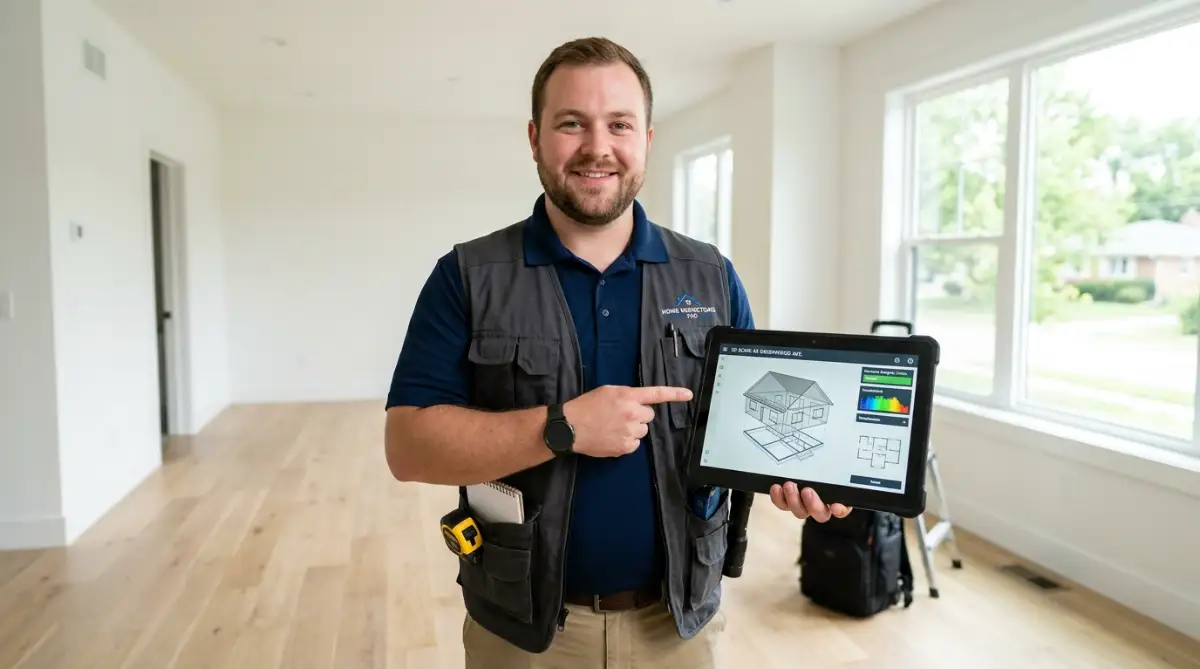
The Devastating Errors That Bankrupt New Homeowners
Understanding what to look for is only half the battle. The other half is avoiding the terrible, impulsive decisions that buyers make when they feel pressured.
The single most destructive mistake you can ever make is waiving your right to a home inspection. In highly competitive housing markets, buyers often get desperate. They drop the inspection contingency just to make their offer look slightly better to the seller.
This is the equivalent of buying a used car without ever opening the hood to check if it actually has an engine. You are taking on one hundred percent of the financial risk blindly.
When you waive your inspection, you accept the house exactly as it is, broken bones and all. If you wake up two weeks later to find the roof leaking directly onto your bed, you have absolutely zero legal right to complain. The entire massive bill is completely yours to pay.
Another huge trap is falling in love with a neighborhood without actually testing it. A street might look perfectly peaceful at two o'clock on a Tuesday afternoon.
But what happens at night? You might discover that the street becomes a noisy drag-racing strip, or that a nearby factory releases terrible chemical smells after dark. You should always park down the street at different times of the evening to truly understand the local environment.
The Handshake Agreement Disaster
Many buyers completely ruin their own deals by trusting friendly verbal promises from the seller. The seller might say, "Oh, do not worry about that broken window, I will fix it right before you move in."
Because the seller seems incredibly polite, the buyer smiles and agrees without writing it down. Then closing day comes, the window is still broken, and the seller stops answering your phone calls.
In the world of real estate, if an agreement is not written clearly on a legally binding paper, it simply does not exist. You must get absolutely every single repair promise officially documented by your lawyer.
This is very similar to avoiding those shocking financial traps hidden in the fine print of bad contracts. Never let a friendly smile distract you from securing your legal protection.
Underestimating the True Cost of Ownership
Most people only look at the monthly mortgage payment when deciding if they can afford a house. They completely forget that houses are living things that constantly break, wear out, and demand expensive maintenance.
If you spend every single dollar of your savings just to cover the down payment, you are setting yourself up for an immediate disaster. When the water heater violently bursts in the middle of winter, how will you pay for it?
Homeowners who fail to keep a healthy emergency fund often resort to high-interest credit cards just to survive. This instantly traps them in a vicious cycle of debt. If you are struggling with emergency funding, understanding how to find secure personal loans can be a temporary lifeline, but prevention is always better.
You must assume that something expensive will break within the first six months of owning a new house. It is simply the nature of moving into a new space.
You should also review your insurance policies carefully before buying. Many buyers are completely unaware of their standard homeowners insurance limits, wrongly assuming that things like sudden floods or earthquakes are automatically covered.
Moving Forward With Total Confidence and Clear Vision
Buying property does not have to be a terrifying, anxiety-filled nightmare. When you strip away the heavy emotions and look at the bare facts, the process actually becomes incredibly empowering.
You now hold the knowledge to see right through the cheap cosmetic tricks. You understand how to read the physical warning signs that most eager buyers completely ignore.
The secret to winning in real estate is simply slowing down your brain. Do not let aggressive agents or clever staging push you into making a split-second decision. Your logic must always override your feelings.
If you struggle with making impulsive choices, just remember that emotional investing habits ruin property deals exactly the same way they ruin stock portfolios. Patience is your strongest and most profitable tool.
Your Action Plan for Tomorrow
Start building a trusted team of professionals long before you even start looking at houses. Find an aggressive, independent home inspector who works only for you, not your real estate agent.
Create a hard, unbreakable checklist of your absolute deal-breakers. If a house has major foundation issues, you must be completely willing to walk away instantly, no matter how much you love the shiny kitchen cabinets.
Do not let the fear of missing out force you to accept hidden flaws. There is always another, much better house waiting for you on the market.
Protecting your investment also extends to keeping your personal data safe during the complex mortgage application process. Sharing sensitive financial documents requires better digital security to ensure identity thieves cannot intercept your bank details.
Treat this journey like a professional business acquisition. Gather the hard data, run the numbers safely, inspect everything twice, and fiercely protect your legal rights.
A Quick Personal Note to You: I sincerely hope my past struggles help you avoid the dark, stressful side of homeownership. I want you to unlock the front door of your new house feeling purely excited, completely safe, and proud of the smart investment you just made. You absolutely have the power to make this a wonderful experience!
Honest Answers to Your Biggest Real Estate Anxieties
Can I legally back out if the inspection finds major issues?
Yes, as long as you included a standard inspection contingency in your official written offer. This specific clause gives you the legal power to cancel the entire contract and get your full deposit back if you discover terrible hidden defects. Never let anyone pressure you into removing this protective clause.
Who actually pays for the hidden repairs before closing?
Everything is highly negotiable after a bad inspection report comes back. You can ask the seller to fix the problems completely, or you can ask them to lower the final sale price so you can fix it yourself later. If the seller angrily refuses to do either, you can simply walk away from the deal entirely.
Are newly built homes safe from these hidden traps?
Absolutely not. Modern builders are frequently rushing to finish projects, leading to sloppy mistakes like missing insulation, unsealed windows, and bad grading. You must hire an independent inspector to evaluate a brand new house just as strictly as you would a seventy-year-old property.
How much money should I save for unexpected property repairs?
A safe and realistic rule is to save at least one to two percent of the total purchase price every single year specifically for home maintenance. If a sudden emergency happens and you lack the cash, watch out for unexpected loan fees when trying to borrow money quickly. Having a solid cash reserve keeps you totally stress-free.
Is it ever safe to waive contingencies in a competitive market?
Waiving contingencies might make your offer look very attractive, but it is incredibly dangerous for your bank account. According to recent property buyer trends, buyers who skip important safety checks often regret their purchase deeply within the first year. Your financial safety is always much more important than winning a bidding war.
How do I know if my inspector is actually doing a good job?
A fantastic inspector will spend hours at the property and encourage you to walk around with them while they work. They should follow a comprehensive home inspection checklist and provide you with a massively detailed report full of high-quality pictures. If an inspector finishes a large house in just forty minutes, they missed a lot of hidden problems.
Disclaimer: This article is strictly for educational and informational purposes only and does not constitute professional financial, legal, or licensed real estate advice. Buying property involves significant financial risks and hidden variables. Always consult with certified home inspectors, licensed real estate attorneys, and professional financial advisors before signing any contracts or making massive investment decisions.
